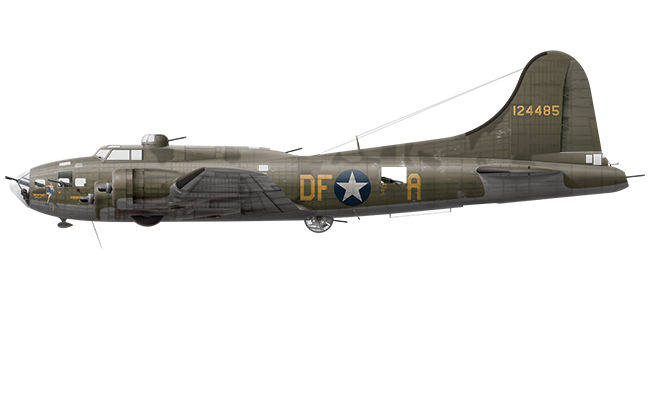

B-17 Flying Fortress
Bomber / 4,800 hp / 53,000 lbs / Quad Prop
Year: Introduced 1938 (entered service 1939)
Role: Heavy strategic bomber
Crew: 10
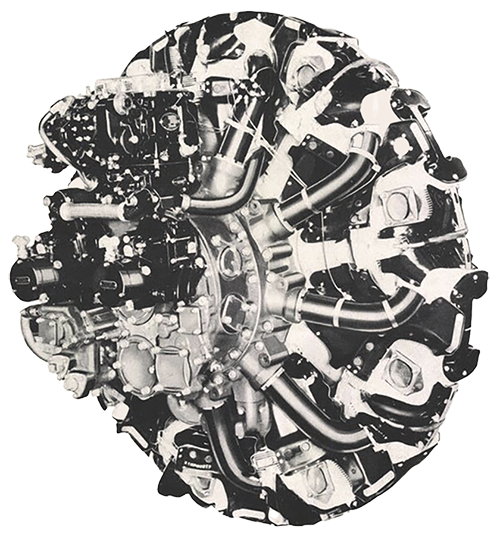
Engine: 4 × Wright R-1820-97 Cyclone air-cooled radial engines
Power: 1,200 hp (895 kW) each
Top Speed: ~287 mph (462 km/h) at altitude
Combat Range: ~2,000 mi (3,219 km) with bomb load
Ferry Range: ~3,200 mi (5,150 km)
Service Ceiling: ~35,600 ft (10,850 m)
Rate of Climb: ~900 ft/min (4.6 m/s)
Empty Weight: ~36,135 lbs (16,392 kg)
Max Takeoff Weight (MTOW): ~65,500 lbs (29,710 kg)
Length: 74.4 ft (22.7 m)
Wingspan: 103.8 ft (31.6 m)
Armament: Up to 13 × .50 cal (12.7 mm) M2 Browning machine guns; up to 8,000 lbs (3,600 kg) of bombs
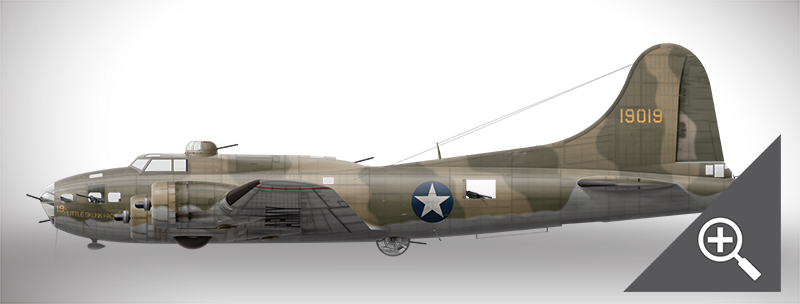
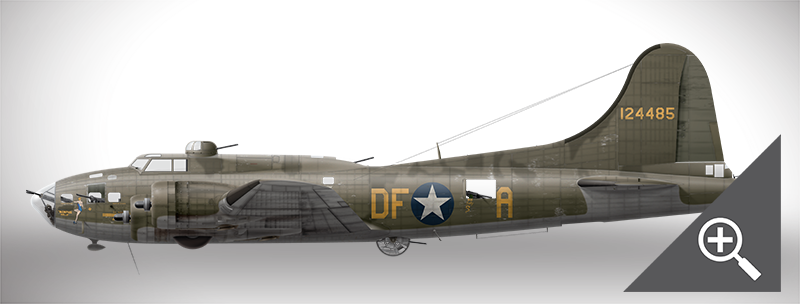
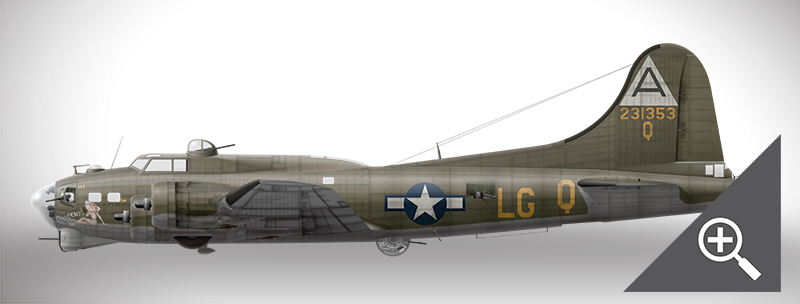
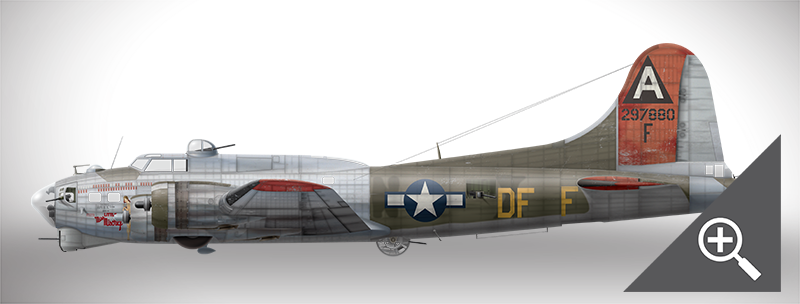
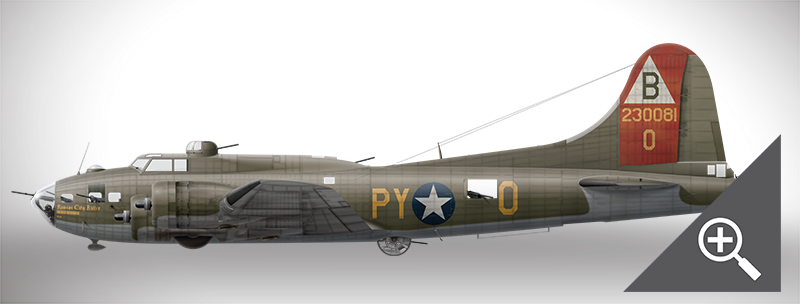
The Boeing B-17 Flying Fortress was a U.S. Army Air Forces heavy bomber developed in the late 1930s and became one of the most important aircraft of World War II. Designed for long-range, high-altitude daylight bombing, it was renowned for its durability, defensive firepower, and ability to absorb heavy battle damage while still returning crews safely home. The B-17 played a central role in the Allied strategic bombing campaign over Europe, targeting German industry, infrastructure, and military assets. Its reputation for toughness and reliability made it an enduring symbol of American air power, and it remained in service in various roles even after the war.
Gallery
Leave a Reply